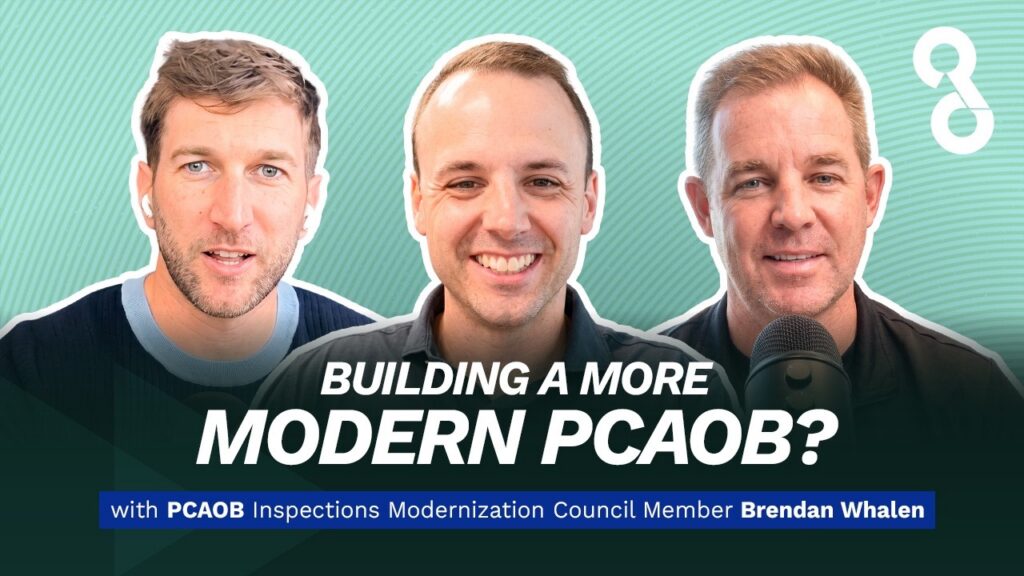
SQMS monitoring is where most firms are now exposed. Firms that completed implementation often treated it as the finish line. It isn’t, and firms are not prepared. The AICPA’s System of Quality Management Standards required firms to design and implement their quality management systems by December 15, 2025. But the standard was never designed to stop there. SQMS is built around an ongoing cycle of monitoring, evaluation, and remediation—and the firms that only got through implementation are now carrying the most risk. The PCAOB’s emerging approach to oversight makes that risk more concrete. As part of our Five Points series, here is what SQMS firms need to understand about the shift to system-level oversight and what it means in practice.
1. Implementation Was the Starting Line, Not the Finish
Firms that designed and implemented their SQMS systems by the December 2025 deadline cleared a meaningful compliance threshold. But SQMS places its most operationally demanding requirements in what comes after: the ongoing monitoring, evaluation, and remediation of the system itself. Monitoring under SQMS is not a year-end review. It is a continuous process of evaluating whether each component of the quality management system is functioning as designed, identifying deficiencies when it is not, and addressing root causes before problems reach the engagement level. Many firms completed implementation with monitoring procedures documented but not yet operating. That gap is where regulatory and operational risk is now concentrated.
2. The PCAOB’s Direction Validates How SQMS Is Structured
For years, PCAOB inspections, similar to peer review, centered on individual audit files, reviewing engagements for deficiencies and issuing findings one file at a time. The Board is now moving toward evaluating firms as entities first, assessing whether a quality management system is properly designed, operating as intended, and capable of catching and remediating issues before they affect engagements. That is precisely the logic SQMS was built around. The standard assumes that a functioning system identifies problems internally. Regulators evaluating the system will follow the same assumption. PCAOB-registered firms should note that QC 1000, which mirrors the SQMS framework closely, carries a December 15, 2026 compliance date and is governed by the same system-level inspection logic. For SQMS firms already in a monitoring posture, the transition to system-level oversight is not a new concept. It is the standard operating as intended.
3. Monitoring Is Not a Documentation Exercise
SQMS monitoring requires firms to do more than record that monitoring activities occurred. The standard expects firms to maintain evidence, track results, identify deficiencies, assess their nature and severity, and remediate root causes in a way that improves the system. Regulators evaluating a firm at the system level will ask not only whether monitoring is built into the design, but whether it is generating findings, and whether those findings are being addressed. Firms with documented monitoring procedures that have not yet been activated are in a more exposed position than they may recognize. A monitoring program that exists on paper but produces no findings is not evidence of a well-functioning system. It is a signal that the system is not actually being tested.
4. Technology Infrastructure Determines Whether Monitoring Evidence Holds Up
Regulators and standard setters have emphasized that firms must produce evidence that their system of quality management is operating, not just that one exists. While SQMS allows flexibility in how monitoring is documented, scrutiny is shifting toward the quality and traceability of that evidence. Firms managing quality through static workpapers and manual checklists are generating the wrong kind of evidence for what is coming. Technology infrastructure is increasingly what determines whether monitoring evidence holds up, with firms using purpose-built tools better positioned to demonstrate effectiveness and identify issues before regulators do.
5. Where Firms Should Focus Right Now
The transition from implementation to monitoring is where SQMS separates firms that built a system from firms that built documentation. System-level oversight will ask whether monitoring is functioning, whether deficiencies are being found and tracked, and whether leadership can speak credibly to the effectiveness of the system as a whole. Firms that have moved from implementation into active, evidence-generating monitoring are well-positioned. Firms that have not should treat this as an operational priority, not a future project. Three areas warrant immediate attention:
- Activate monitoring procedures that are documented but not yet operating, and begin generating findings
- Assess whether current technology can produce the structured evidence a system-level review will require
- Prepare leadership to account for the design and operation of the system, or engage a third party expert firm, such as CPAClub to perform this, since that accountability is no longer optional
Conclusion
The shift to system-level oversight is not a future condition. It is the current one. SQMS was built around the expectation that firms would design, implement, monitor, and evaluate their quality management systems as an ongoing operational discipline. Regulators are now applying that same expectation. Firms that have crossed from implementation into active, evidence-generating monitoring are positioned for what is coming. Firms that have not should not mistake implementation completion for compliance readiness. The monitoring gap is harder to close than it looks, and the time to close it is now.
CPAClub works with accounting firms to build and sustain quality management systems designed for both SQMS requirements and system-level regulatory scrutiny. If your firm is navigating the transition from implementation to monitoring, we encourage you to explore our Guide to Navigating the New Quality Management Standards for structured guidance on building a system that holds up under examination.